Macros Explained: How Much Protein, Carbs, and Fat Should You Eat?
What Are Macros, Exactly?
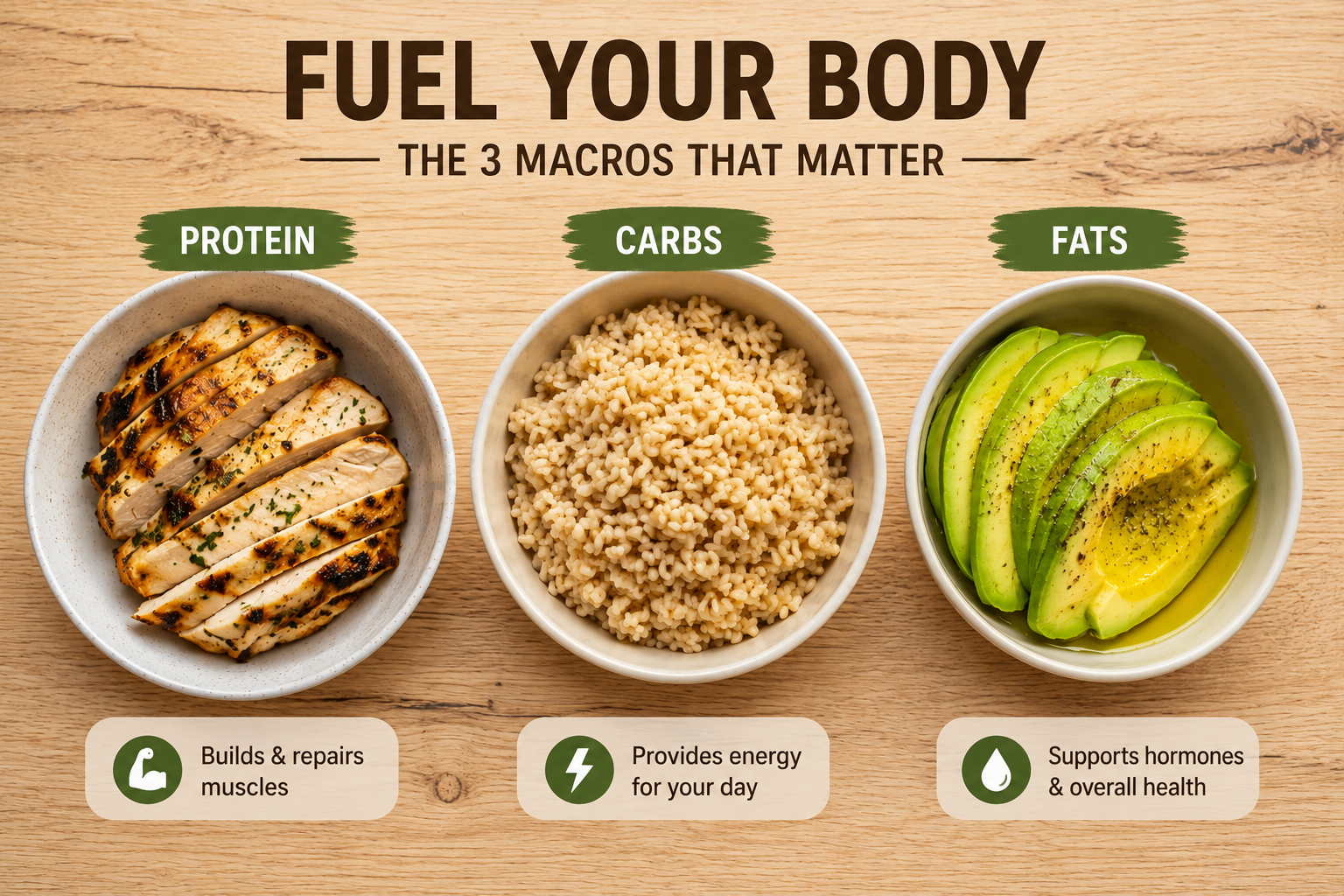
"Macros" is short for macronutrients, the three main categories of nutrients that provide calories: protein, carbohydrates, and fat. Every food you eat is made up of some combination of these three. While total calories determine whether you lose, gain, or maintain weight, your macro balance affects things calories alone don't capture, like muscle retention, energy levels, satiety, and how your body composition changes over time.
Why Macros Matter Beyond Calories
Two people eating the same 2,000 calories a day can have very different results depending on their macro split. Someone eating mostly protein and vegetables will typically retain more muscle and feel fuller than someone eating the same calories mostly from sugar and refined carbs. This is why tracking macros, not just total calories, gives you a much clearer picture of whether your diet actually supports your specific goal.
Protein: The Muscle and Satiety Macro
Protein supports muscle repair and growth, and it's the most filling macro per calorie, which helps control hunger. A common starting guideline is roughly 0.7-1 gram of protein per pound of bodyweight per day, though needs vary based on activity level and goals, those trying to build or preserve muscle typically aim toward the higher end.
Carbohydrates: The Energy Macro
Carbs are your body's primary energy source, especially for workouts and daily activity. They aren't the enemy they're sometimes made out to be — the type and amount matter more than avoiding them entirely. Whole food sources like rice, oats, fruit, and vegetables provide sustained energy along with fiber and micronutrients that refined sugars don't.
Fat: The Hormone and Absorption Macro
Dietary fat plays a role in hormone production and helps your body absorb certain vitamins. A general guideline is keeping fat intake around 20-35% of total daily calories, adjusted based on personal preference and how your body responds, since some people naturally feel better on a slightly higher or lower fat intake.
A Simple Starting Macro Split
- Weight loss: ~40% protein, ~30% carbs, ~30% fat (higher protein helps preserve muscle in a deficit)
- Muscle gain: ~30% protein, ~45% carbs, ~25% fat (extra carbs fuel training and recovery)
- General maintenance: ~30% protein, ~40% carbs, ~30% fat (balanced for everyday energy and health)
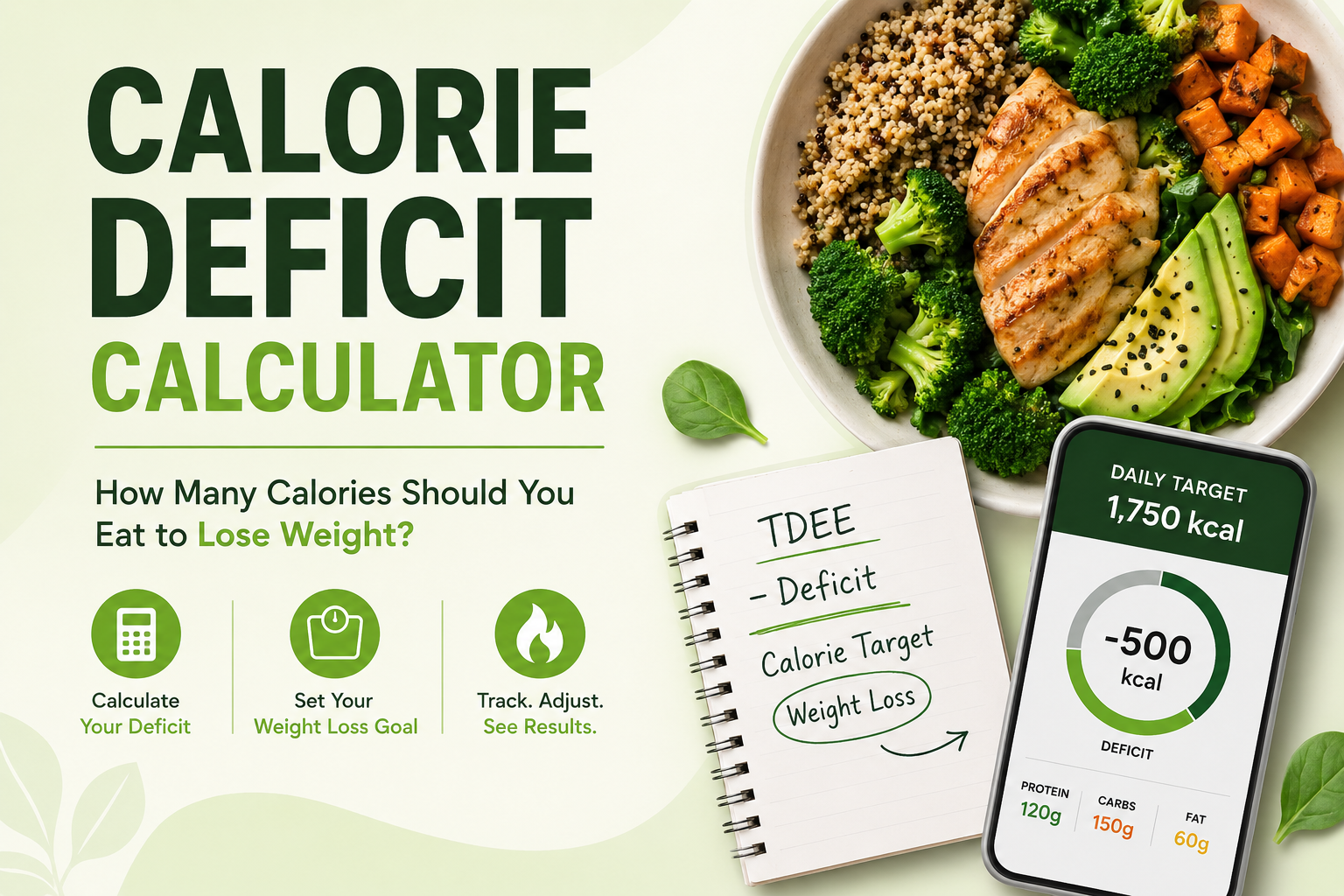
These are starting points, not fixed rules ,the right split depends on your activity level, body, and how you feel. This is exactly where Caloura helps: instead of calculating these percentages by hand, Caloura generates personalized protein, carb, and fat targets automatically based on your goal and body data, then tracks your progress against them with every meal you log.
The Bottom Line
Calories tell you how much you're eating, but macros tell you what that food is actually doing for your body. Getting your protein, carbs, and fat roughly in the right range matters just as much as hitting your calorie target. Download Caloura for free to get personalized macro targets and track them automatically with every meal.
Enjoyed this article?
Start your nutrition journey with Caloura.